Open
Health
Data
Health
Data
The case for a more open, patient oriented health data system
By Fulton Browne
The modern world is built on data
Digital data drives the world around us and with the internet, it's not just digital, it's accessible. If we look at industries such as finance we see once exclusive and closed systems opening up to the public. This has led to a more transparent and efficient system that better serves the people. A major industry we see lacking in this regard is healthcare. All the data is there, digital, and technically accessible, but it's locked away in proprietary and poorly designed systems that are not open, promoted, and easily accessible to the patient. These systems are designed for the patient, they are designed for internal use by the healthcare provider and administration. This creates problems and restricts what someone can do with their data.
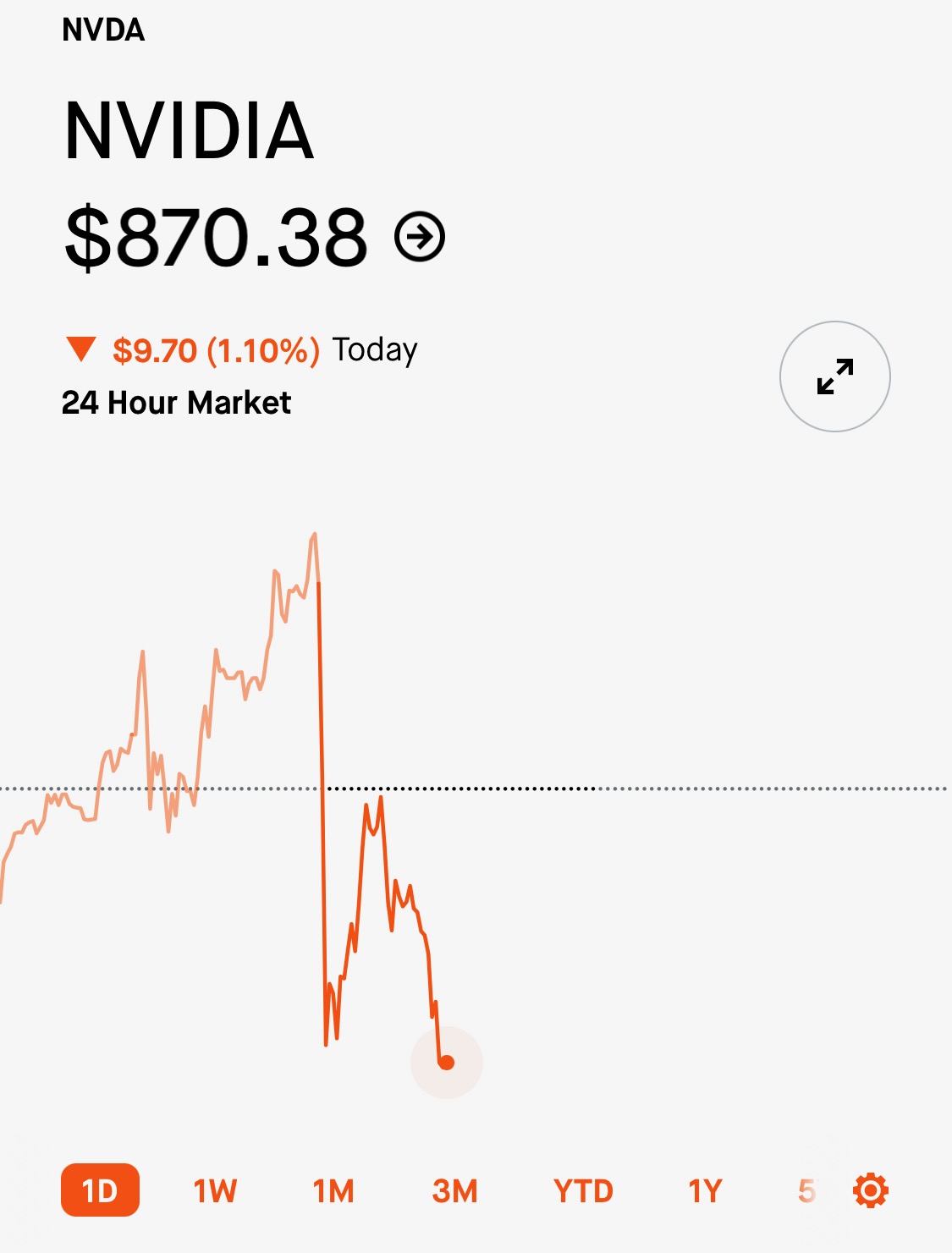
Robin hood opened up the financial system to the public
Building a healthcare data access system that prioritizes the patient is a necessary step in bringing the healthcare system fully into the 21st century.
The healthcare world is already built on digital data
The Electronic Health Record (EHR) is the backbone of the modern healthcare system it is ubiquitous in hospitals and clinics all around the world. It stores and manages all of the digital records of a patient's medical history, and manages the data associated with billing, insurance, and other administrative tasks. As we can see here the EHR is part of a larger system that manages healthcare data and makes it accessible to the healthcare provider at scale. Hospitals in the modern data-driven world rely on these systems to manage and because of that they are very expensive and don't seem to innovate much as can be seen here and by just looking at their interfaces.
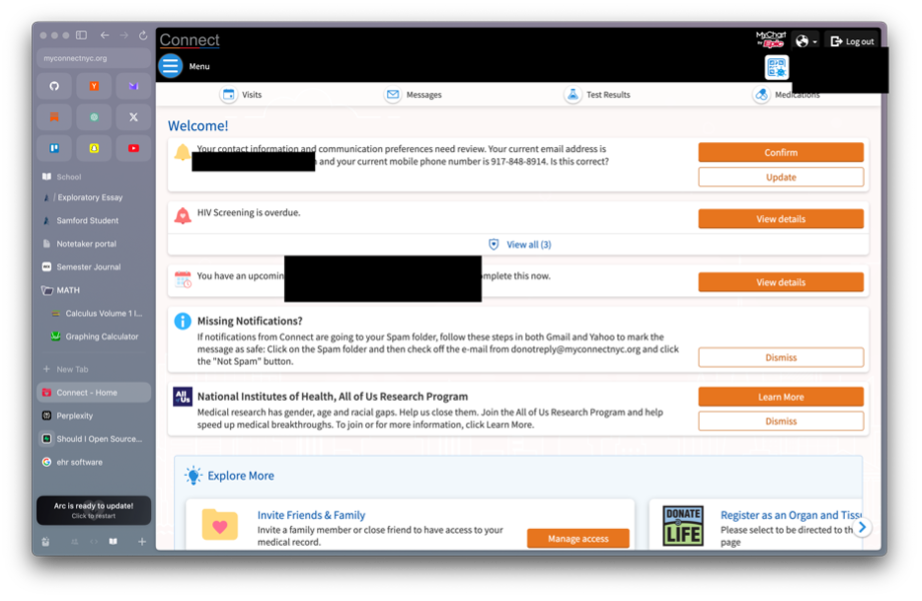
The privacy of the patient is paramount
When dealing with medical data privacy is of the utmost importance. It is often given as a reason the medical system should remain closed off and proprietary. These are valid concerns, but the resoultions to them are misplaced. We have the technolgy to secure sensitive personal data, such as financial information (a great example of this is Plaid), and we can implement similar systems to secure and open up medical data. The key is to give the user finely-grained control over who can access their data and what they can do with it. This sounds obvious, in our digital-data driven world and the technolgy is there to achieve it. In this way I think by giving the patient control over their data we aren't reducing their privacy, we are increasing it and allowing them to do more with it simultaneously. Many people are already proposing ways we can open up medical data while maintaining privacy in a meaningful way, this is an area that has a lot of research behind it and we know it can be executed well.
Medical data is commoditized by the EHR
The EHR is essential to the modern healthcare system, it keeps hospitals running and effciently manages patient data. However, EHR providers such as Epic and Athena Health treat patient data as a commodity, something they own and control. This has been a major roadblock to innovation in the medical data sphere. This commoditization of patient data has led to a system where the patient has little to no control over their data, and techincally basic things like exporting and importing their own medical records can be difficult or impossible. This is a major issue and can stifle inovation and competion in the medical industry. Ultimately, this commoditization of patient data is misplced and it keeps data control out of the hands of the people it truly belongs to, the patients.
There is a gap in the healthcare software industry that needs to be filled
The lack of patient-first software in the healthcare industry is a glaring hole in the market. The EHR is a powerful tool, but it is not designed with the patient in mind. The patient facing tools that EHRs do provide are generally clunky and difficult to use. They aren't designed to be user-friendly, they are designed to be billing tools and to fill in the legal requirements of the medical system. These EHR companies have little to no interest in changing this, as they see the data as their commodity and the patient access to it as an afterthought. There is a need for patient-first software in the healthcare industry and the currentl players aren't providing it, it's a glaring hole in the market that needs to be filled for the good of the patient and industry as a whole.
Medical data access works
A lot of countries have implemented systems where the patient has control over their health care records. If we look at places like the UK and Sweden (highlighted in this article) we can see that the systems work. The patient has more control and access to their health data and favorable outcomes have been seen. Outcomes such as increased patient trust, increase in patient responsibility, and increased patient understanding in their own health. These countries have shown that more medical data access has a lot of direct benefits to the patient and the healthcare system as a whole and it can be done in a secure and safe manner.
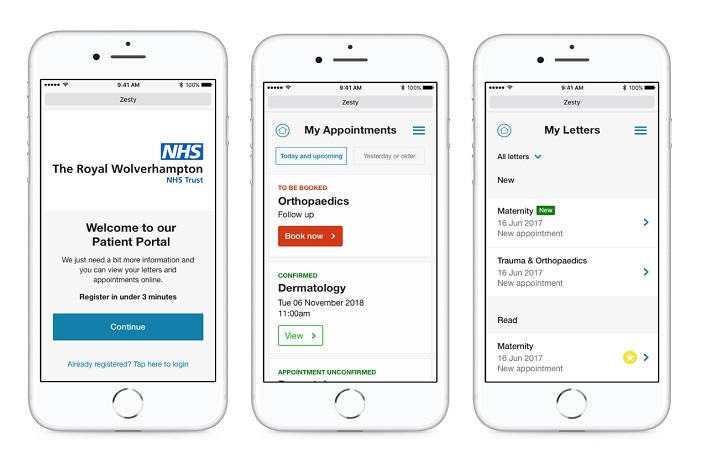
Image from NHS
More than just data access
Enchancing data access has a lot of direct benefits, but it also opens up possibilities for many indirect ones as well. First of all giving access to data will enable new apps and tools built on top of the data. This will allow for more innovation in the healthcare space and will allow for more personalized care that can be tailored and engaged with by the patient. It can also allow easier participation in clinical trials and studies, and can open up easier ways for reasearchers to transparantly access data for studies. Going furher than that, it also has the potential to shake up the industry as a whole.
Data access can open up healthcare
The healthcare industry, especially in the US, is very much a closed off system and it is know for having issues around transparency and price gouging. By opening up the data and giving the patient more control, the patient will be able to see what is happening with their care in black and white, in an effient, instant manner. This opens up the industry right away. It also allows for more competition through easily exportable, transferable, and shareable data.
Open healthcare is good for all
By opening up the healthcare industry, we could see a lot of benefits such as more equitable pricing for care and by consquence, cheaper insurance. It could expose a lot of the issues in the industry that are repressed or just not talked about alot. Open access to health data lets the patient have more control over not only their care and wellness, but over the industry as a whole. The health care industry is long overdue for a shake up and open data access could be the catalyst it needs to change.
A call to action
The US healtcare system needs to be more transparent and accessible and data access is the first step towards that goal. While the task may seem boring and mundane to many we need to use the data and technolgy we have to build the best patient-first system we can for healthcare data. If you're a doctor talk to your adminstration and fellow providers about improving the health records system, if you're, if you're adminstration talk to your superiors about the need for more data access and transparency, if you're a software developer play with building systems to utilize what data we have if you're a patient talk to your doctor about the need for better data access and transparency, and we should all talk to any of our government representatives about the need for more data access and transparency in healthcare. Together we can work towards a healthcare system that is more transparent, accessible, and usable for all.
Thanks for reading!
Fulton Browne - Seminar 102 - 2024